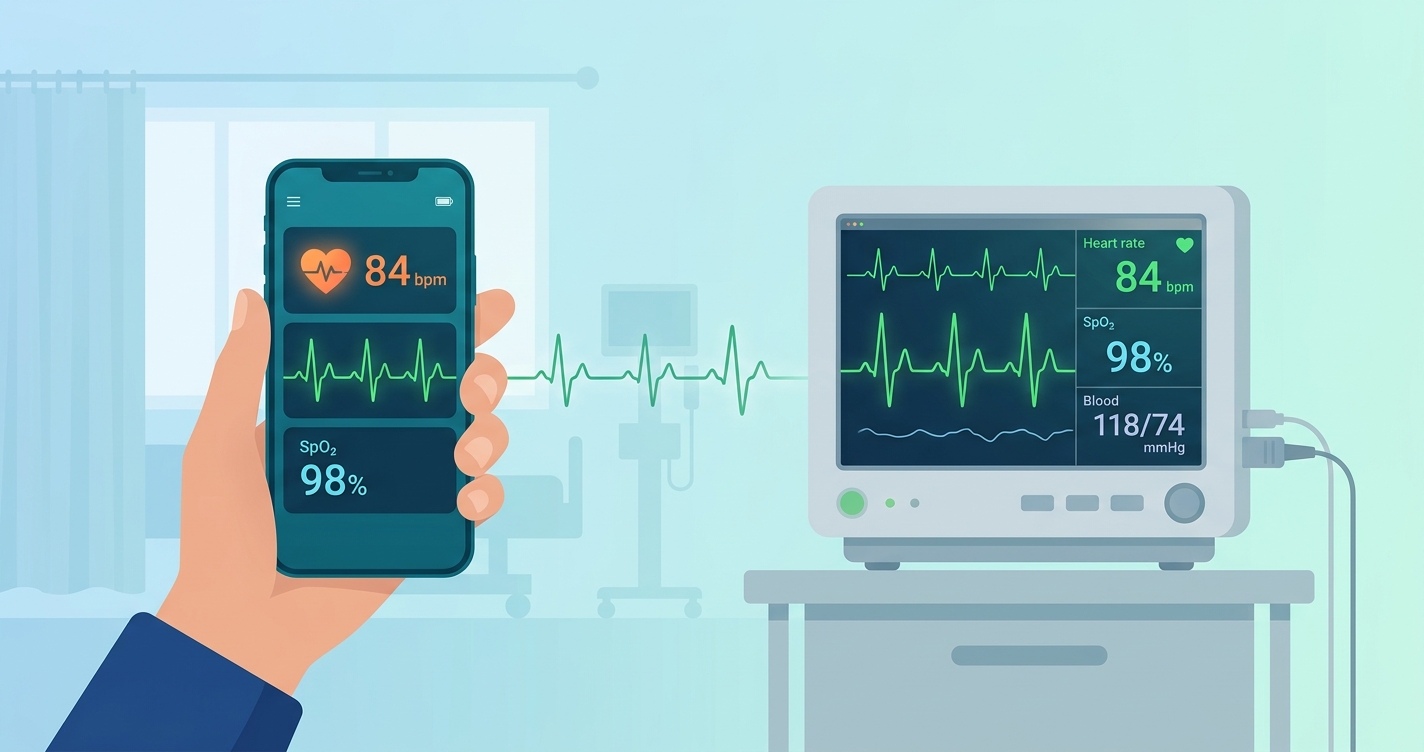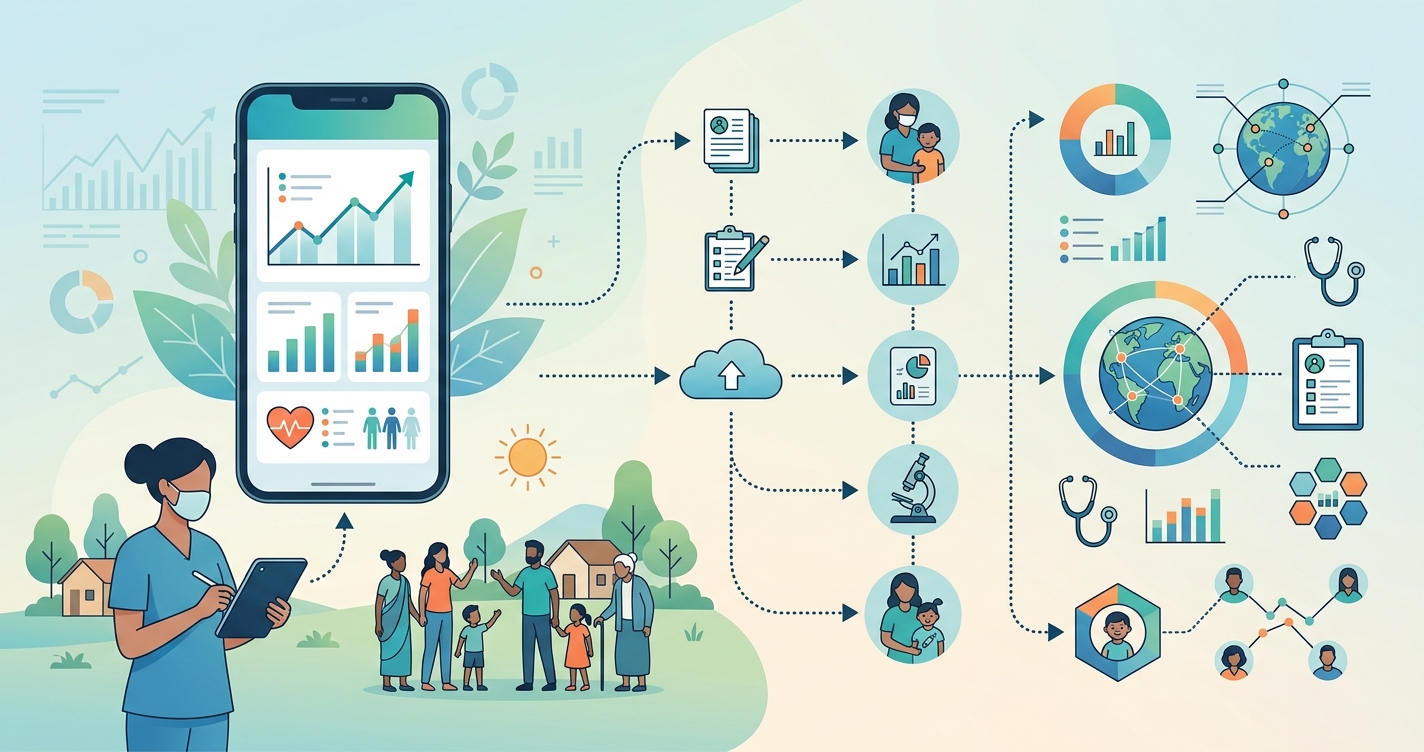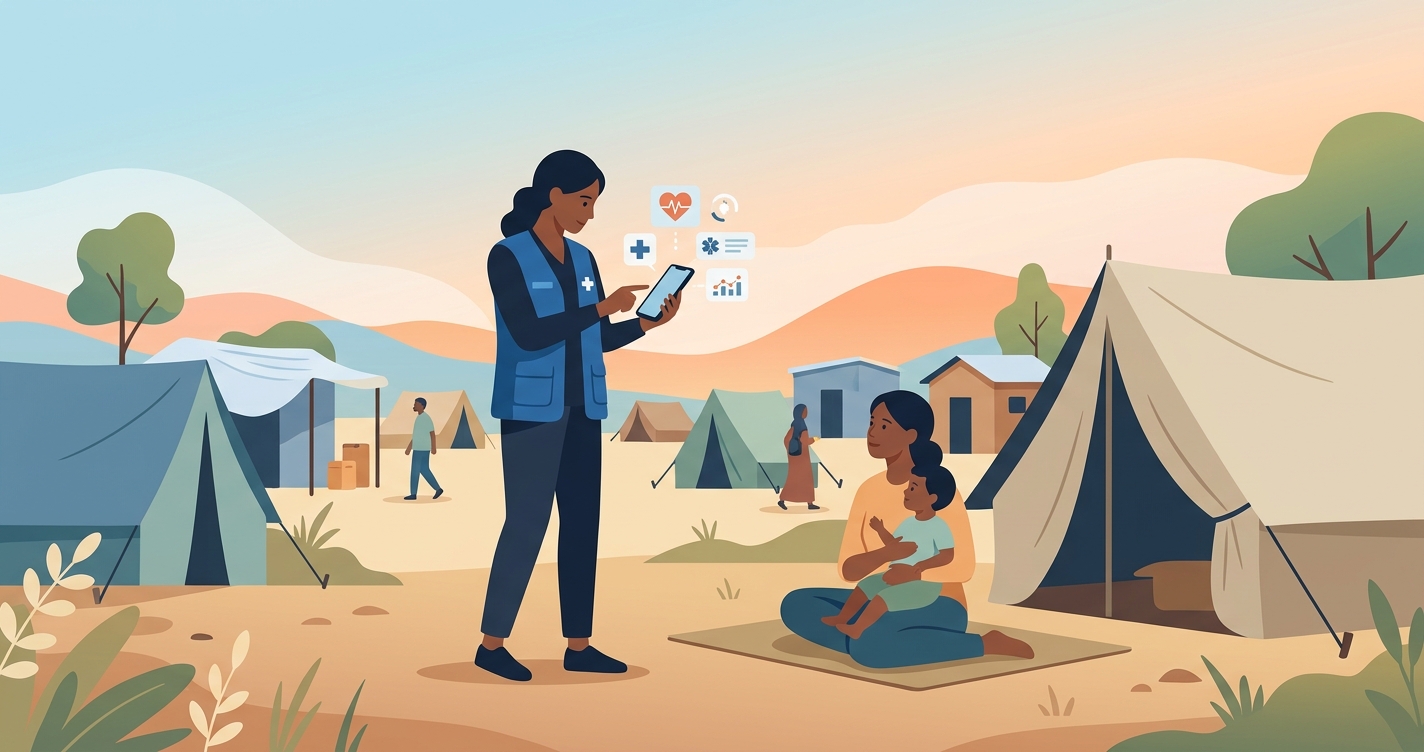
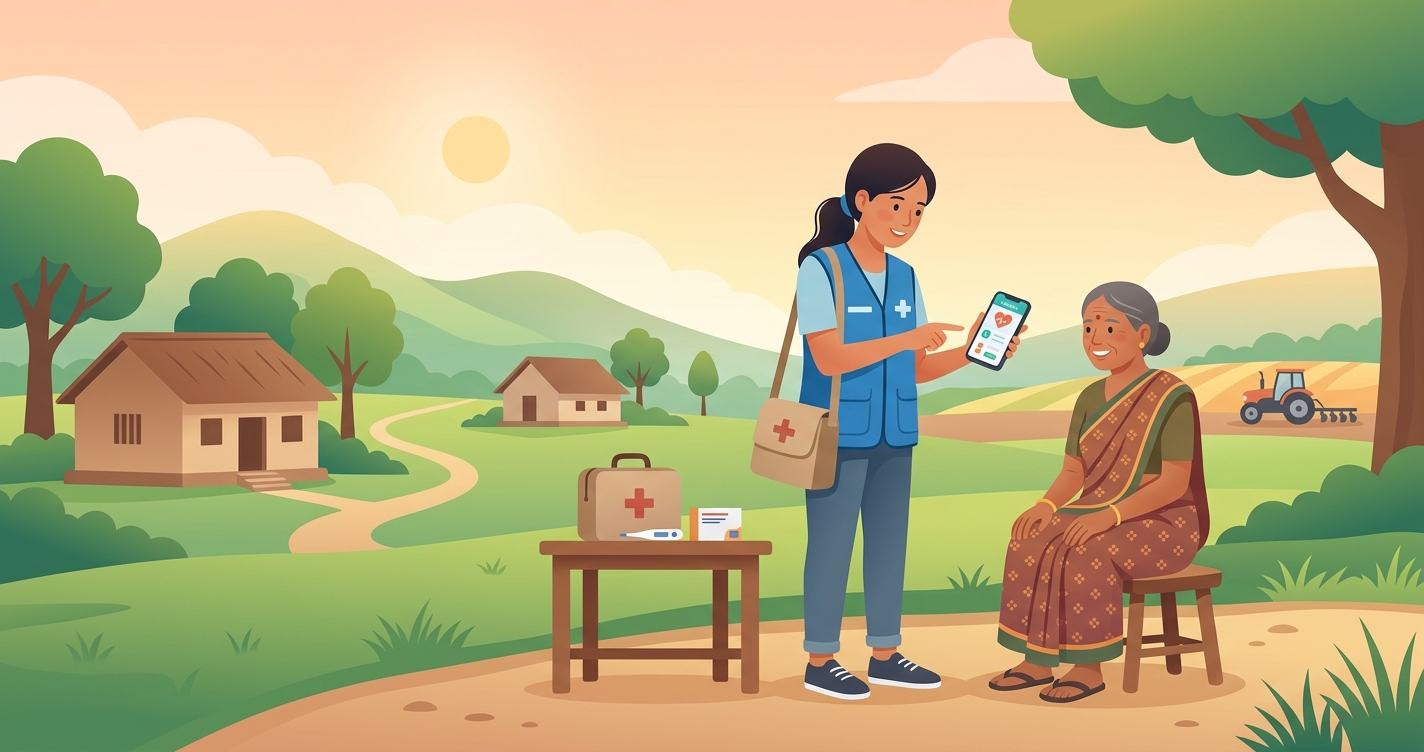
Can a smartphone really replace a portable clinic in rural areas?
Can a smartphone replace a portable clinic in rural areas? A research-based look at where smartphone screening helps, and where clinics still matter.
Insights on health technology, vitals monitoring, and wellness from the MedHealthScan team.

Can a smartphone replace a portable clinic in rural areas? A research-based look at where smartphone screening helps, and where clinics still matter.

How aid workers screen patients with no equipment: a research-based look at smartphone triage, CHW workflows, and low-resource field screening.

A research-based look at five grant funders backing mobile health technology for frontline workers, from early pilots to scaled public-health deployment.

An evidence-based analysis of how community health workers are using cuffless and smartphone-first workflows to triage hypertension risk in low-resource settings.

A research-based look at HL7 FHIR global health low resource interoperability, including DHIS2, OpenHIE, offline workflows, and national digital health systems.

A research-based review of failed mHealth pilots in low-resource settings, including lessons on financing, interoperability, governance, and frontline workflow design.

A research-based analysis of what a national CHW digital toolkit should include, from supervision and offline workflows to interoperability and frontline training.

A practical look at data sovereignty in global health programs, from consent and hosting rules to cross-border research, AI governance, and ministry control.

A research-based comparison of DHIS2 vs CommCare vs ODK for mHealth field data, covering offline workflows, case management, reporting, and scale.

A research-based look at how contactless screening supports TB and HIV programs through community triage, digital workflows, and lower-friction field operations.

A research-based analysis of how digital health reduces facility-level burden in LMICs through triage, task shifting, remote follow-up, and better data flow.

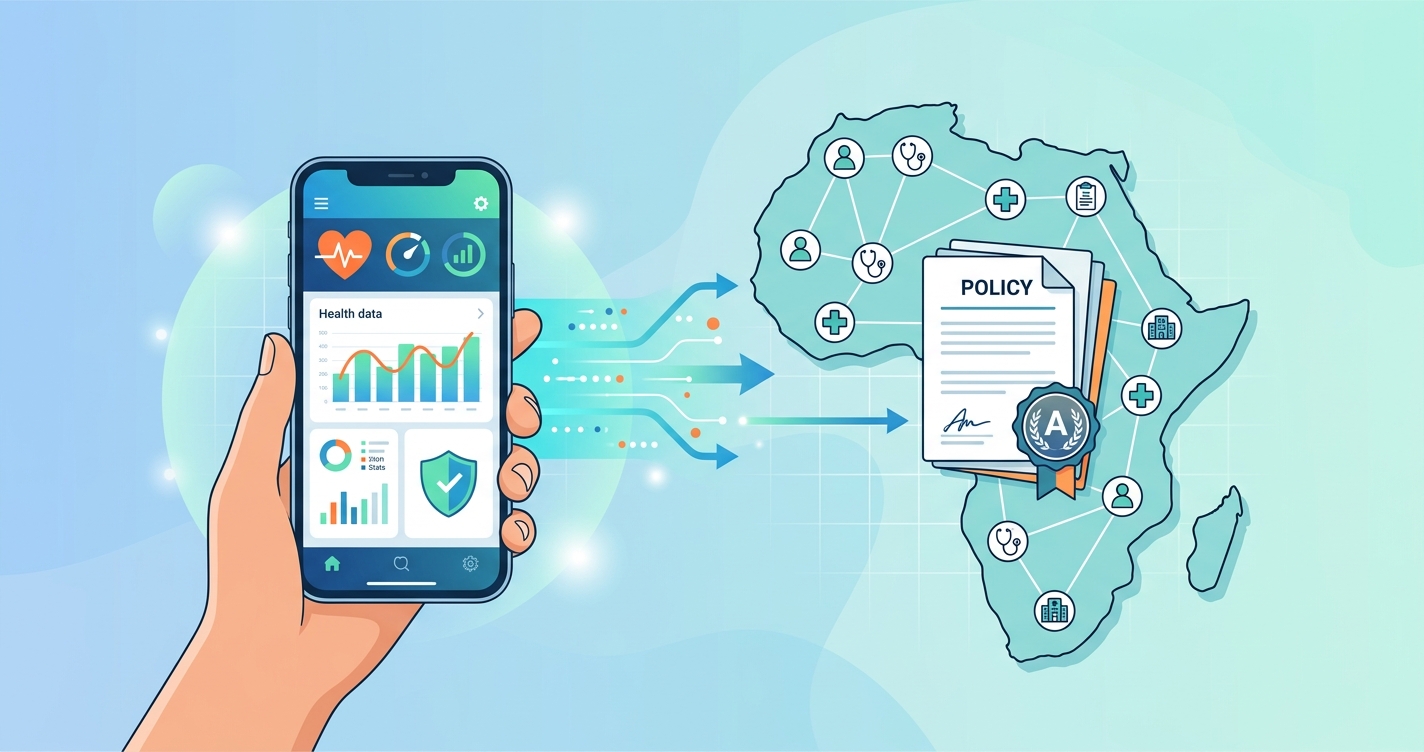
How mHealth evidence influences health policy in Africa, from CHW deployment and digital standards to financing, interoperability, and national scale-up.

A research-based analysis of how PEPFAR implementing partners integrate contactless screening into HIV programs through digital triage, referral workflows, and lighter field operations.

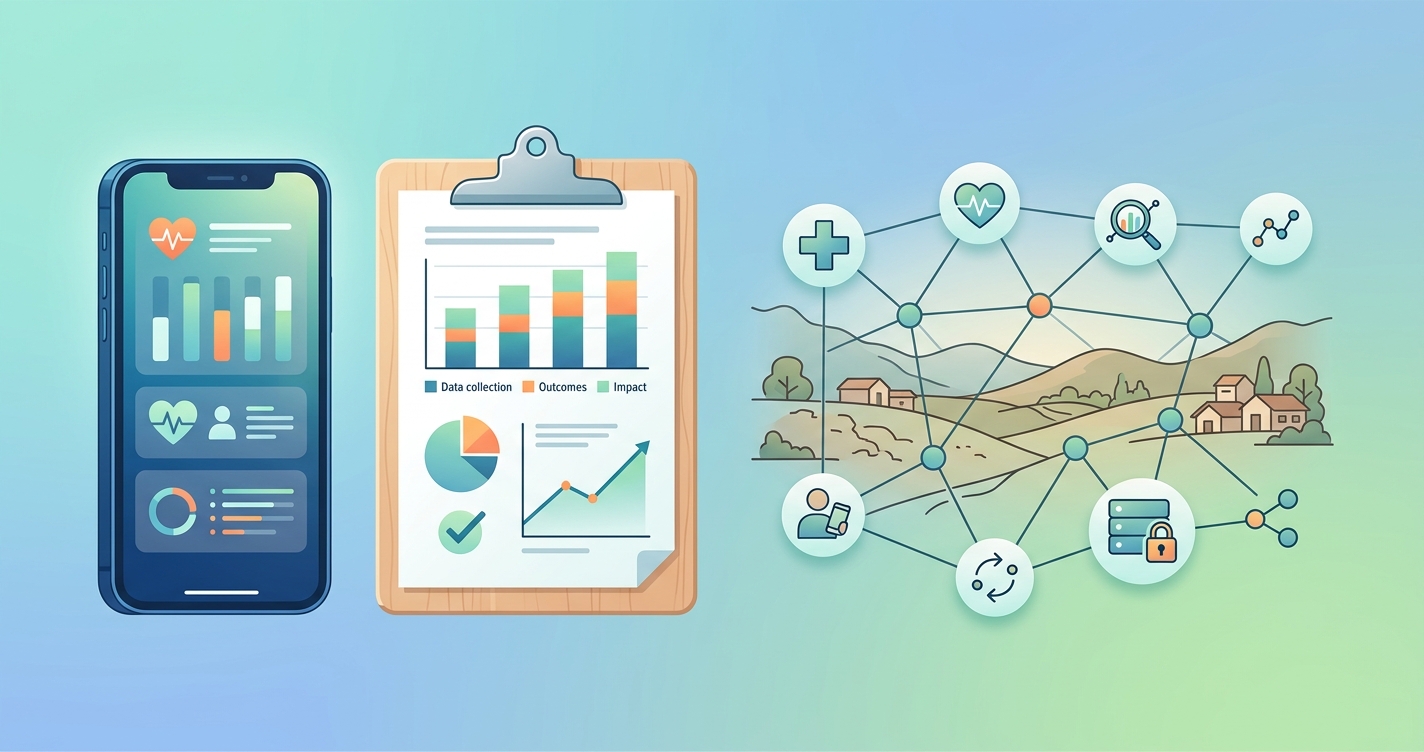
How to build an evidence base for digital health interventions in LMICs, with practical guidance on study design, implementation metrics, cost, and scale.

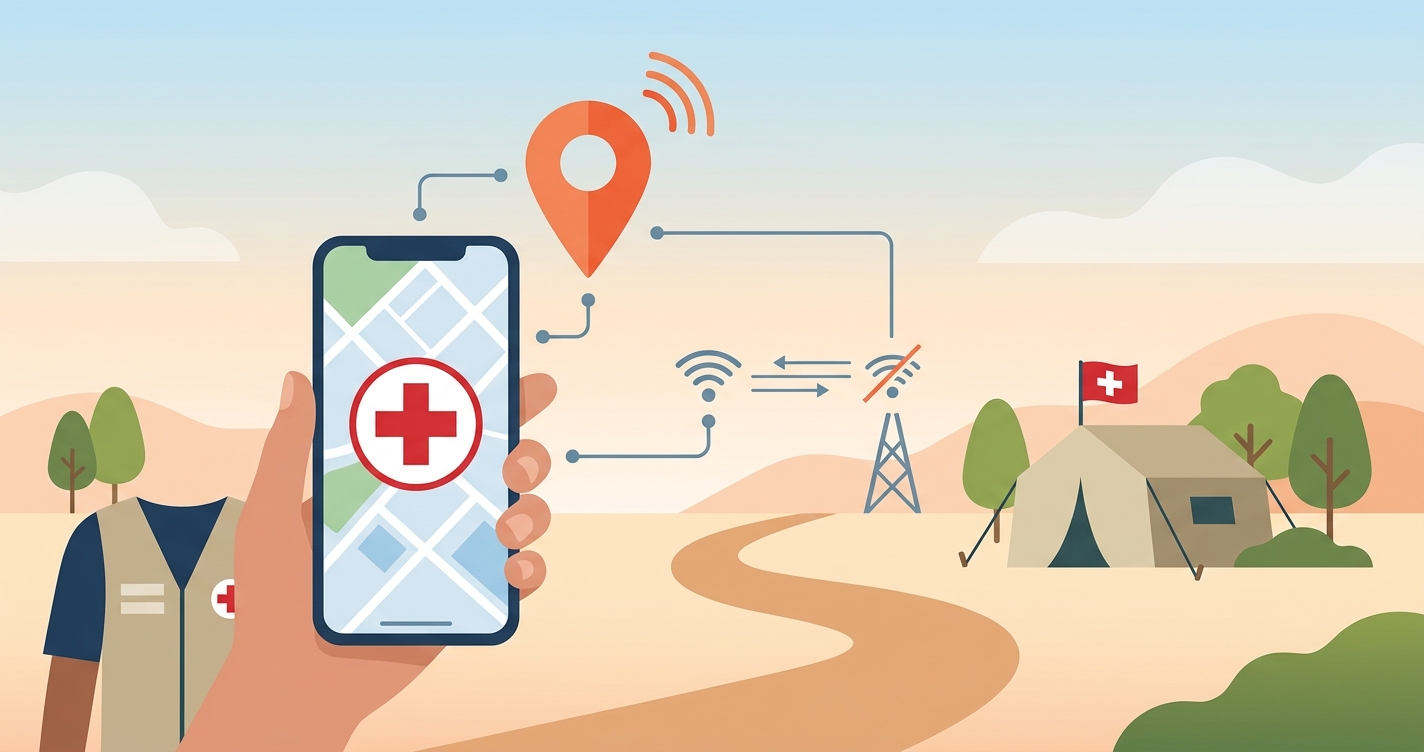
A research-based analysis of how to deploy health technology in conflict-affected areas using offline workflows, ethical data practices, and resilient field operations.

A research-based analysis of how teams validate smartphone vital signs against clinical-grade devices in low-resource and field deployment settings.

A research-based guide to interoperability standards for global health platforms, including FHIR, OpenHIE, DHIS2, and WHO SMART Guidelines in low-resource settings.

What it takes to scale a health tech pilot into a national program, from governance and financing to interoperability, field workflows, and ministry ownership.

A research-based look at how smartphone diagnostics pandemic preparedness strategies connect across surveillance, field triage, and health system resilience.

A research-based look at smartphone diagnostics in global health in 2026, from CHW workflows and connected data systems to AI-supported screening trends.

A research-based look at solar powered health stations remote screening, from energy reliability and field workflows to evidence from global health deployments.

A research-based look at what belongs in a CHW digital health toolkit for field deployment, from offline workflows and decision support to data standards.

A research-based look at offline first health software apps for rural care, covering sync models, field evidence, and why they matter in low-connectivity health systems.

An evidence-based look at smartphone screening DHIS2 integration, from offline capture and Tracker workflows to interoperability, governance, and scale-up.

A research-based framework for measuring the impact of digital health interventions across reach, quality, equity, cost, and implementation outcomes.

An evidence-based look at remote health monitoring for displaced populations, from offline triage and CHW workflows to telemedicine, governance, and scale.
Virtual doctor visits lack physical examination data. Camera-based vitals monitoring is filling this critical gap in telehealth quality.

A research-based analysis of how zero-equipment vital signs collection through frontline smartphone workflows is reshaping community health screening in low-resource settings.

An analysis of how USAID-funded programs deploy digital health screening technology across global health initiatives, from PEPFAR to maternal health and NCD programs.

An evidence-based analysis of training non-clinical staff to collect vital signs in global health programs, covering curriculum design, competency frameworks, and operational lessons from large-scale deployments.

A research-backed deployment guide for mHealth programs in low-resource settings, covering infrastructure requirements, workforce integration, and sustainability models.

An evidence-based analysis of how mHealth platforms scale across multiple countries, examining deployment architectures, governance models, and operational lessons from multi-national health programs.

An evidence-based analysis of how community health workers are using mobile technology to collect vital signs in field settings across sub-Saharan Africa and South Asia.